Gamified Solutions – Case studies
Driving Carbon-Friendly and Healthy Commuting in a Smart City

Problem
A smart city aimed to reduce carbon emissions and promote healthier lifestyles by encouraging residents to choose sustainable commuting options. However, traditional awareness campaigns had limited impact, and a more engaging approach was needed to drive real behaviour change.
Solution
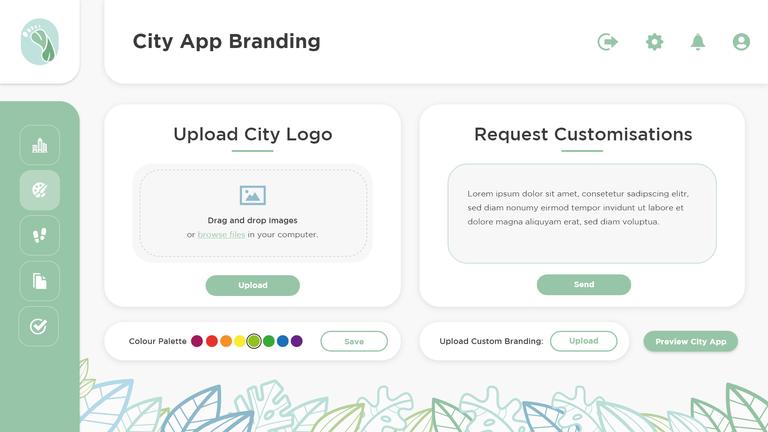
We developed Carbon 0 Commute, a gamified app designed for citizens living within 7km of their workplace or school. The platform encouraged users to adopt eco-friendly and active commuting choices through peer-to-peer challenges, making sustainability a fun and rewarding experience.
Results
An early pilot program indicated the need for education about carbon emissions and led to the inclusion of an educational onboarding sequence. Young people were motivated to use it and we had interest from several smart cities. The app is currently for sale.
Problem
A leading search engine faced a challenge when COVID-19 restrictions prevented them from hosting their planned in-person VIP masterclass for agency resellers. They needed an effective way to deliver the same high-impact training online while maintaining engagement and driving implementation.
Solution
We designed a gamified online learning experience that spanned six weeks, with milestone completion rewards and unlocking of new content gradually increasing knowledge levels to keep participants engaged. The program focused on learning completion and real-world application, culminating in an implementation competition where agencies could showcase their skills and compete for performance-based prizes.
Results
The program achieved outstanding engagement: 90% of participants completed all the learning materials, and 80% successfully completed all tasks required for certification and the highly coveted branded merchandise package. The competition further motivated agencies to apply their knowledge, driving real-world business impact.
Transforming a VIP Masterclass into an Engaging Online Learning Journey

Revamping a Client Referral Program for Higher Engagement and Growth

Problem
A leading financial institution struggled with low engagement in its existing client referral scheme. Despite offering rewards, the program was not driving the desired level of participation or new client acquisitions.
Solution
From consumer focus groups we learned that clients preferred team and community rewards without straying too far from the company’s purpose. To make referrals more engaging and rewarding, we designed a gamified digital referral program focused on team rewards. The new scheme provided an attractive bonus to both the referrer and the new client, creating a win-win incentive to boost participation.
Results
Following the rollout of the enhanced referral campaign, the financial institution experienced a significant increase in both client engagement and referral rates, turning an underperforming program into a valuable growth channel.
“Instrumental in helping.”
We’ve been working with An (and the Gamification Nation team) for the past year and it has been a total pleasure to have her on the 5App team. An provides a refreshingly different perspective to our strategy work, adding value throughout the lifetime of the project. Her ideas and innovative approaches have informed and challenged our thinking in all the right ways.”
“9 out 10 Completion Rate”
As a work-based training company, we must motivate, engage, and arm our clients with the skills they need to succeed in their careers. Although we wanted the best experience, this was previously not the case as we had a 3 out of 10 completion rate and it was evident that our clients were not enjoying their journey with us.
We started looking into gamification and approached Gamification Nation to help us improve our training material and system. We are delighted that we made this decision, we now have a 9 out of 10 completion rate. Our clients are enjoying the whole process through to the end.
We highly recommend Gamification Nation!“
Games we created
Playing to Win: How a Board Game Boosted Cyber Insurance Sales Confidence

The Challenge: Equipping Sales Agents to Sell Cyber Insurance Effectively
Cyber insurance is a complex and often misunderstood product. Sales agents struggled to confidently communicate its value to business decision-makers, making it difficult to drive uptake. The company needed an engaging, interactive solution to kick off training sessions and help their agents better understand and sell cyber insurance.
The Solution: A Collaborative Cyber Security Board Game
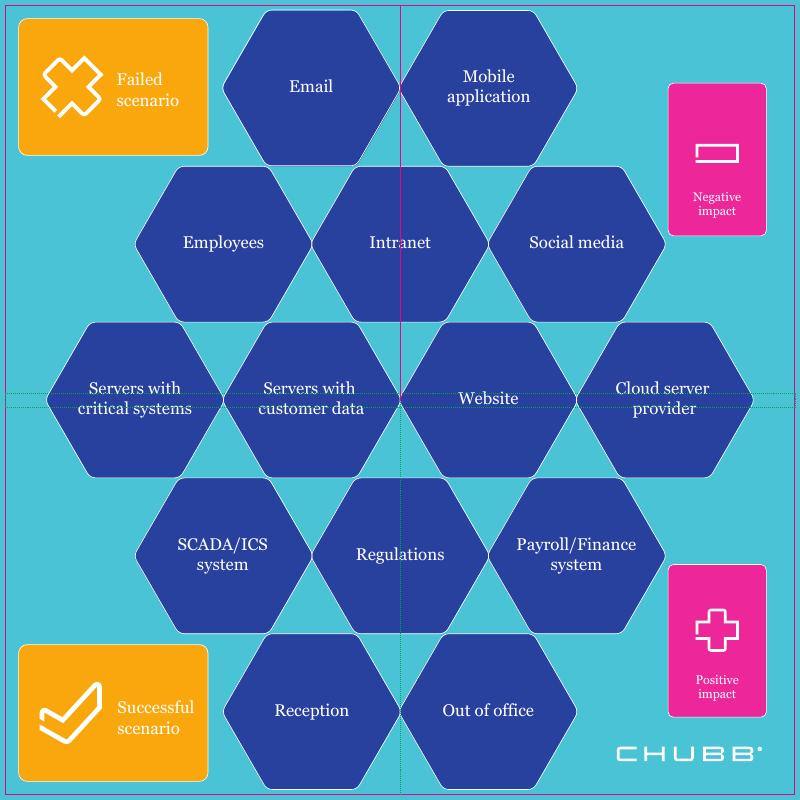
We designed a hands-on, collaborative board game that brought cyber security risks to life. In this engaging training tool, teams rolled a dice and used scenario-based cards to defend a chosen business against a range of cyber threats. By strategising and responding to attacks in real time, agents gained practical experience in explaining risks and demonstrating the value of cyber insurance.
The Impact: Increased Confidence and Award-Winning Success
- 80% increase in confidence among sales agents when discussing cyber insurance with clients.
- Improved retention of key cyber security scenarios, providing agents with real-world talking points for sales conversations.
- Award-winning innovation—the project won the Excellence in No-tech Gamification Design award at GamiCon Chicago.
- Sustained engagement—we continue to develop expansion packs to keep the game relevant and enhance learning over time.
By turning training into an interactive experience, we transformed cyber insurance sales conversations—helping agents sell with greater clarity, confidence, and impact.
The Challenge: Finding the Right People for Factory Positions
A leading pharmaceutical company needed to attract more candidates for their open factory positions. However, they didn’t just want more applications—they wanted to engage individuals who aligned with their company’s values and were genuinely interested in factory work. The challenge was to make the roles more visible, relatable, and appealing to the right audience.
The Solution: Interactive Digital Games for Recruitment
To bring the company’s brand values to life and engage potential applicants, we created two digital games:
- A preference-based swipe quiz, allowing players to explore their fit with the company’s values and work style.
- An endless runner game, where players navigated through virtual versions of the company’s real factory environments. The game provided a high-level insight into the daily work, the impact of the roles, and how each job contributed to improving lives—both human and animal—while advancing research.
The Results: A Surge in Relevant Applicants
- More relevant applications in the first week of launch than in the entire previous year’s campaign using traditional media.
- Stronger brand alignment, with candidates self-selecting based on values and work preferences.
- Higher engagement, as potential applicants actively experienced the work environment before applying.
By using gamification to create an immersive and informative recruitment experience, the company not only attracted more candidates but also ensured they were the right fit from the start.
Game-Changing Recruitment: How Digital Games Attracted the Right Talent for Factory Roles

Empowering Parents: How an Online World is Helping Families Navigate School Exclusions

The Challenge: Supporting More Parents with Limited Resources
Parents of children excluded from school often struggle to understand the education system, legal processes, and the pathways to reintegration. Many don’t speak English fluently or find technical language overwhelming, making it even harder to advocate for their child’s return to school.
As the charity’s remit expanded from London to all of England and Wales, their staff were stretched to the limit, handling individual cases with little capacity to scale their support. They needed a solution that could reach more parents efficiently while still providing the vital guidance they required.
The Solution: A Visual Online World for Step-by-Step Guidance
We created an interactive online world designed to simplify and visualise the process of getting a child back into school. The platform includes:
- Step-by-step guidance presented through simple, easy-to-follow questions.
- E-learning modules to educate parents on their rights and next steps.
- Practical, downloadable documents to help with applications and legal processes.
- An intuitive design that even children can use to assist their parents in navigating the system.
The Results: Helping More Families, More Efficiently
- Increased reach, allowing the charity to support more parents without overwhelming staff.
- More informed parents, leading to better advocacy for their children’s education.
- Greater accessibility, ensuring that families—regardless of language or technical ability—can confidently navigate the system.
By harnessing digital technology, the charity has transformed how it supports families, ensuring that more children get the opportunity to return to education without increasing staff workload.
The Challenge: Explaining CO₂ to Young Minds
Carbon dioxide (CO₂) emissions play a major role in climate change, yet for primary school children, this invisible gas is difficult to grasp. Without a clear way to see or experience the impact of CO₂, teaching them about its effects on the environment posed a challenge.
The Solution: A Mini-Game on Car Emissions
To make CO₂ emissions tangible and engaging, we developed a mini-game focusing on car exhaust pollution. Through interactive gameplay, children could:
- Visualise how vehicle emissions contribute to pollution.
- Understand cause and effect, seeing how everyday choices impact the environment.
- Learn through play, reinforcing climate awareness in an accessible, age-appropriate way.
The Results: Sparking Curiosity and Climate Awareness
- The game was successfully incorporated into a climate awareness campaign, reaching young learners in an engaging format.
- It raised curiosity levels about pollution, prompting children to ask more questions about the environment.
- Teachers and educators found it a valuable tool for making sustainability education more interactive.
By turning complex environmental science into a playful experience, the mini-game helped children connect the dots between CO₂ emissions and their impact on the planet—one small step towards a more climate-conscious generation.
Making the Invisible Visible: Teaching Children About CO₂ Emissions Through Play

Pitching for Change: How a Board Game is Tackling Gender Bias in Investment

The Challenge: Bridging the Investment Gap for Female Entrepreneurs
Globally, only 2% of investor capital goes to female business owners. At the Stockholm Tech Fest Hackathon, our team examined a key reason behind this disparity—the way investors ask questions during pitch Q&As.
Research shows that male founders typically receive opportunistic questions that focus on growth potential, while female founders face preventative questions that highlight risks and challenges. This forces women into a defensive stance, making it harder to secure investment. We needed a way to raise awareness of this bias and equip entrepreneurs with strategies to navigate investor questioning.
The Solution: Pitch Reality – A Board Game for Smarter Pitching
To empower business owners with practical skills, we created Pitch Reality, a board game designed to:
- Teach entrepreneurs to recognise the difference between preventative and opportunistic questions.
- Provide real-time feedback on how responses influence investor confidence and funding decisions.
- Simulate the pitching process, allowing players to take on entrepreneurial roles (or use their real business) and navigate the investment cycle.
- Encourage peer learning, with players giving feedback on answers, which then determines the level of investment received.
The Results: From Hackathon Win to a Playable Game
- Won the Stockholm Invest category at the hackathon, validating the concept.
- Successfully developed into a fully playable game, further refining the mechanics for real-world application.
- Raised awareness among entrepreneurs about how question framing affects investment outcomes, giving them the tools to respond strategically.
- Early feedback showed the game sparked conversation and insight, making players keenly aware of the differences in investor questioning and the inequity in funding.
- The discussions often became so engaging that we had to actively manage end-game debates around solutions to balance this funding disparity, highlighting the game’s impact in driving awareness and action.
By turning pitching into a game, Pitch Reality is helping founders—especially women—master the art of handling investor Q&As with confidence, ultimately levelling the playing field for funding success.
The Challenge: Explaining Gamification to People Who Don’t Play Games
For many businesses, gamification and game design are exciting concepts—but explaining them to those who don’t play, don’t like, or have forgotten how to engage with games can be a major hurdle. Without a clear, structured way to communicate what makes a good game and how it can be applied to business, conversations often became abstract or confusing.
We needed a solution that would simplify game design principles, provide a tangible framework for discussions, and even help guide pricing conversations when structuring game projects.
The Solution: A Practical Game Design Card Deck
To tackle this challenge, we developed a card deck that breaks down the key elements of game design into an easy-to-understand format. Used in workshops and client sessions, the deck:
- Illustrates each step of the game design process in a clear, visual way.
- Encourages interactive discussions, allowing participants to engage with gamification principles hands-on.
- Helps structure pricing, aligning project scope with game mechanics and complexity.
- Transforms abstract concepts into practical applications, making it easier for non-gamers to understand the potential of gamification for their business.
The Results: Clarity, Engagement, and Meaningful Conversations
- Significant improvements in understanding—workshop participants grasp game design principles faster and with more confidence.
- Stronger client engagement, as the cards help people visualise how gamification could work within their organisation.
- More productive workshops, allowing us to move from explanation to meaningful discussions about tailored game or gamification strategies by the end of a session.
By using our own knowledge and tools, we’ve made gamification accessible to everyone—including those who never considered games as part of their business strategy. This hands-on approach has helped businesses see the real value of game thinking in driving engagement and innovation.
Gamification Made Simple: How a Card Deck Helps Explain Game Design to Non-Gamers